1. Search Result
Search Result
Results for "

sleep-disordered breathing

" in MedChemExpress (MCE) Product Catalog:

44

Inhibitors & Agonists

1

Screening Libraries

1

Biochemical Assay Reagents

3

Peptides

4

Natural
Products

5

Isotope-Labeled Compounds

Cat. No. Product Name Target Research Areas Chemical Structure
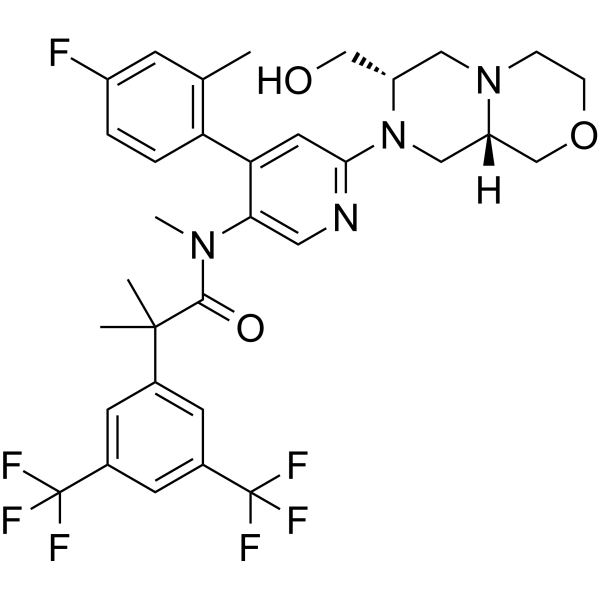
  • HY-109171

    NT-814; BAY3427080

    Neurokinin Receptor Cardiovascular Disease Neurological Disease
    Elinzanetant is an orally active and selective NK-1 and NK-3 receptor antagonist. Elinzanetant alleviates menopause-associated vasomotor symptoms, including hot flashes and night sweats. Elinzanetant reduces estradiol and progesterone levels. Elinzanetant can be used for the research of moderate to severe vasomotor and sleep disorders associated with menopause .
    Elinzanetant
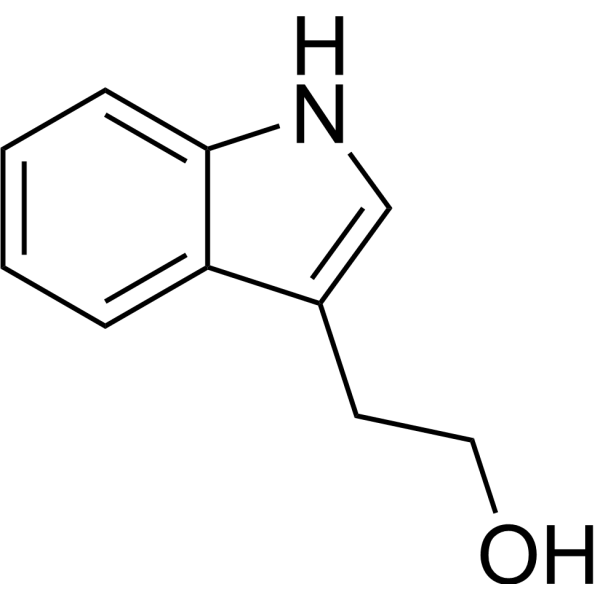
  • HY-W010155
    Tryptophol
    2 Publications Verification

    Indole-3-ethanol

    Endogenous Metabolite Apoptosis Caspase Bacterial Infection Cardiovascular Disease Neurological Disease Metabolic Disease Inflammation/Immunology
    Tryptophol is an aromatic alcohol and secondary metabolite produced by microorganisms. Tryptophol induces apoptosis and cleavage of caspase-8. Tryptophol inhibits Cunninghamella blakesleeana biofilm. Tryptophol has anti-phage infection, biofilm formation regulation, anti-inflammatory, hemolytic, sleep induction, temperature change, seizure susceptibility and immune regulation activities. Tryptophol is used in the research of African trypanosomiasis, sleep disorders, epilepsy .
    Tryptophol
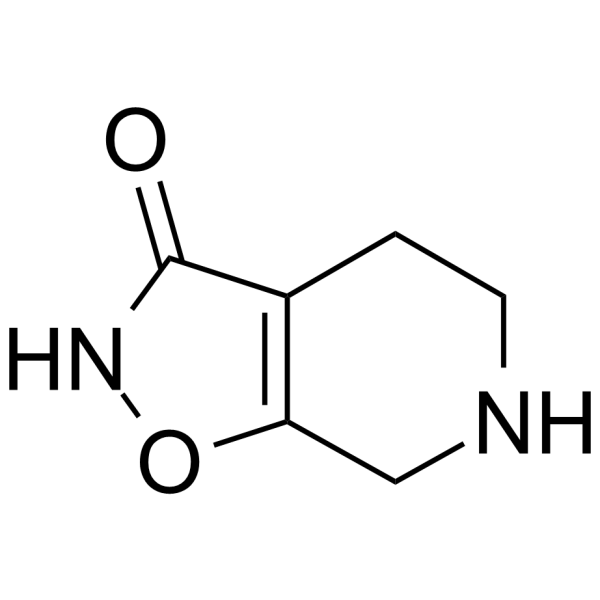
  • HY-10232
    THIP
    1 Publications Verification

    Gaboxadol

    GABA Receptor Neurological Disease
    THIP (Gaboxadol) is a selective extrasynaptic GABAA receptors (eGABARs) agonist (with blood-brain barrier permeability), shows an EC50 value of 13 μM for δ-GABAAR. THIP induces strong tense GABAA-mediated currents in layer 2/3 neurons, but shows on effect on miniature IPSCs. THIP can be used in studies of sleep disorders .
    THIP
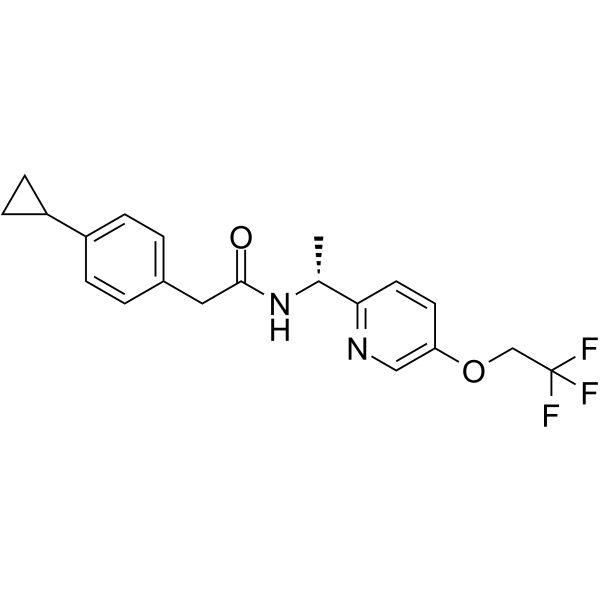
  • HY-111828
    TTA-A2
    1 Publications Verification

    Calcium Channel Neurological Disease
    TTA-A2 is a potent, selective and orally active t-type voltage gated calcium channel antagonist with reduced pregnane X receptor (PXR) activation. TTA-A2 is equally potent against the Cav3.1 (a1G) and Cav3.2 (a1H) channels with IC50 values of 89 nM and 92 nM, respectively, at -80 and -100 mV holding potentials. TTA-A2 can be used for the research of a variety of human neurological diseases, including sleep disorders and epilepsy .
    TTA-A2
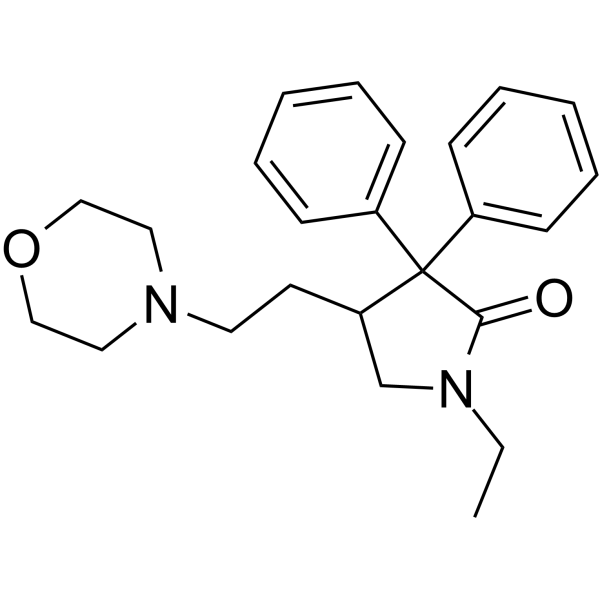
  • HY-B0551

    Potassium Channel Neurological Disease
    Doxapram is a respiratory stimulant. Doxapram increases breathing rate and depth by acting on the brain's respiratory centers and peripheral chemoreceptors. Doxapram inhibits TASK-1, TASK-3, TASK-1/TASK-3 heterodimeric channel function with EC50s of 410 nM, 37 μM, 9 μM, respectively. Doxapram inhibits the Ca²⁺-activated potassium current (IC50 ≈ 13 μM) and Ca²⁺-independent potassium current (IC50 ≈ 20 μM) in type I cells of the carotid body. Doxapram significantly prolongs the effective refractory period of the atrium and has an anti-arrhythmic effect. Doxapram can be used for the study of respiratory depression such as post-anesthesia respiratory depression, chronic obstructive pulmonary disease and apnea of prematurity .
    Doxapram
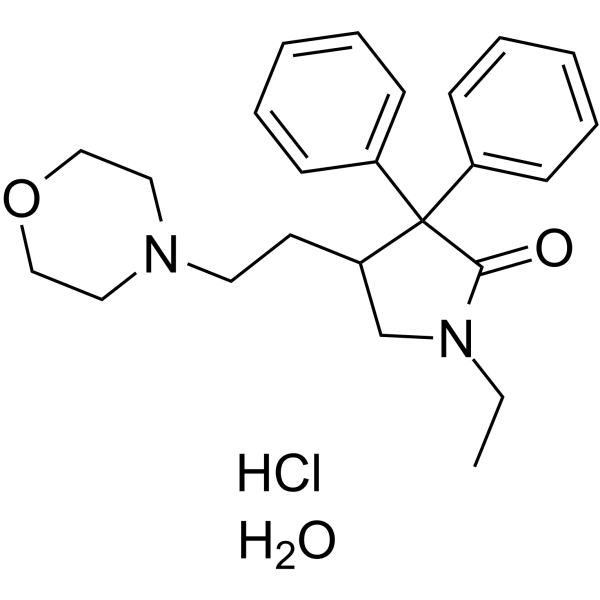
  • HY-B0551A

    Potassium Channel Neurological Disease
    Doxapram hydrochloride hydrate is a respiratory stimulant. Doxapram hydrochloride hydrate increases breathing rate and depth by acting on the brain's respiratory centers and peripheral chemoreceptors. Doxapram hydrochloride hydrate inhibits TASK-1, TASK-3, TASK-1/TASK-3 heterodimeric channel function with EC50s of 410 nM, 37 μM, 9 μM, respectively. Doxapram hydrochloride hydrate inhibits the Ca²⁺-activated potassium current (IC50 ≈ 13 μM) and Ca²⁺-independent potassium current (IC50 ≈ 20 μM) in type I cells of the carotid body. Doxapram hydrochloride hydrate significantly prolongs the effective refractory period of the atrium and has an anti-arrhythmic effect. Doxapram hydrochloride hydrate can be used for the study of respiratory depression such as post-anesthesia respiratory depression, chronic obstructive pulmonary disease and apnea of prematurity .
    Doxapram hydrochloride hydrate
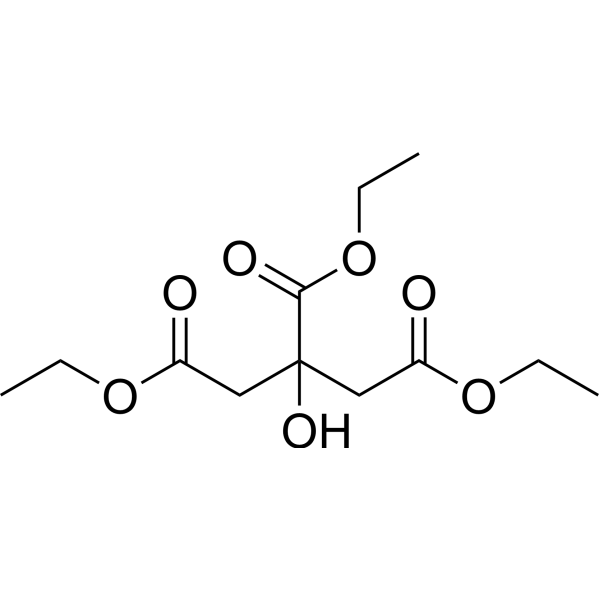
  • HY-W011602

    Environmental Pollutants Biochemical Assay Reagents Neurological Disease
    Triethyl citrate is an orally active citrate compound. Triethyl citrate induces acute toxic effects, including weakness, depression, ataxia, hyperexcitability, restlessness, dripping urine, and irregular, labored breathing. Triethyl citrate can be used in research on plasticizers for food packaging materials .
    Triethyl citrate
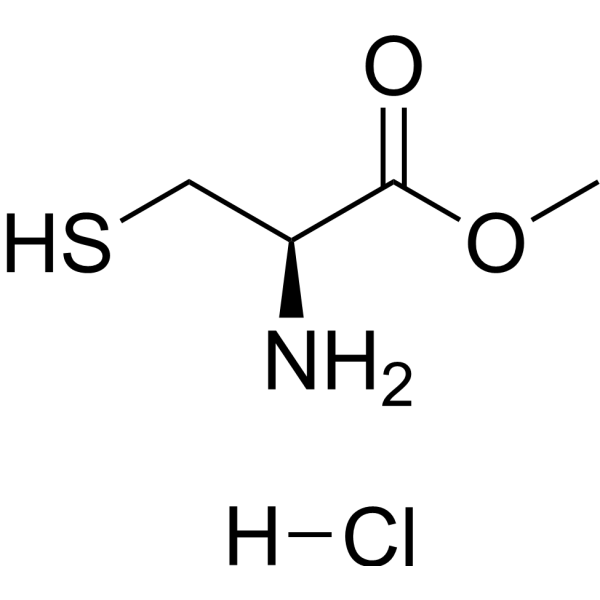
  • HY-B1038

    Endogenous Metabolite Inflammation/Immunology
    L-Cysteine methyl ester hydrochloride is an antitussive, phlegmolytic agent used to relieve breathing difficulties caused by large amounts of phlegm. L-Cysteine methyl ester hydrochloride is a copper corrosion inhibitor used in various industrial studies .
    L-Cysteine methyl ester hydrochloride
  • HY-N5083
    Saponarin
    1 Publications Verification

    PERK NF-κB p38 MAPK AMPK Interleukin Related COX Cardiovascular Disease Neurological Disease Metabolic Disease Inflammation/Immunology
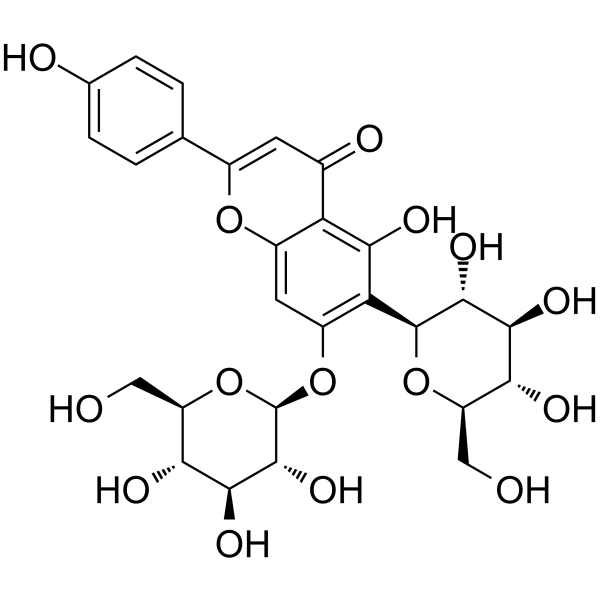
    Saponarin is an orally active flavonoid compound. Saponarin can be isolated from Gypsophila trichotoma. Saponarin inhibits ERK/p38, NF-κB and MAPK phosphorylation and activates AMPK. Saponarin reduces IL-1β and COX-2. Saponarin has antioxidant, anti-inflammatory, hepatoprotective, hypoglycemic and hypotensive effects. Saponarin improves sleep disorders .
    Saponarin
  • HY-P1205A
    MCH(human, mouse, rat) TFA
    1 Publications Verification

    Melanin-concentrating hormone(human, mouse, rat) TFA

    MCHR1 (GPR24) Neurological Disease Metabolic Disease
    MCH (human, mouse, rat) TFA is a cyclic neuropeptide mainly synthesized by neurons in the lateral hypothalamic area. MCH (human, mouse, rat) TFA also serves as an endogenous ligand for the melanin-concentrating hormone receptor (MHC receptor), with a binding IC50 of 0.3 nM and 1.5 nM for human MCH-1R and MCH-2R, respectively; its functional EC50 values are 3.9 nM and 88.7 nM. MCH (human, mouse, rat) TFA acts not only as an orexigenic signal but also as a key integrating and regulatory hormone for energy homeostasis and sleep-wake cycles. MCH (human, mouse, rat) TFA can be used in studies related to obesity, sleep disorders, and other associated conditions .
    MCH(human, mouse, rat) TFA
  • HY-101422
    GAL-021
    Maximum Cited Publications
    6 Publications Verification

    Potassium Channel Inflammation/Immunology
    GAL-021 is a potent BKCa-channel blocker. GAL-021 inhibits KCa1.1 in GH3 cells. GAL-021 is a novel breathing control modulator that is based on selective modification of the almitrine pharmacophore. GAL-021 increases minute ventilation in rats and non-human primates .
    GAL-021
  • HY-B1096

    Ethamivan; N,N-Diethylvanillamide

    Biochemical Assay Reagents Neurological Disease
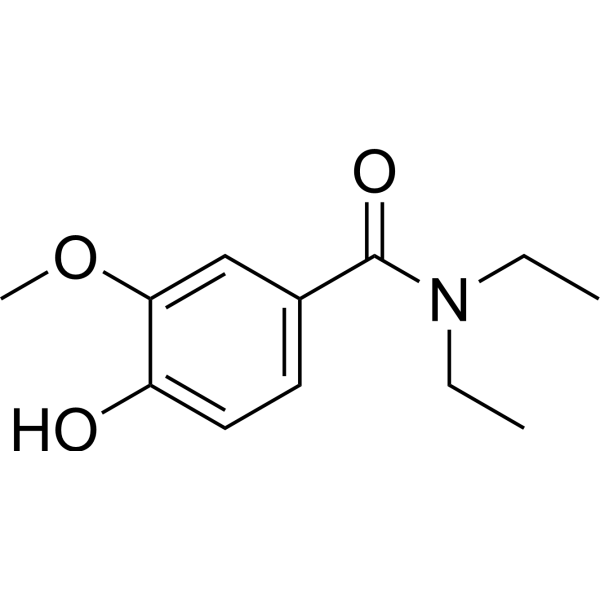
    Etamivan (Ethamivan; N,N-Diethylvanillamide) is an orally active respiratory stimulant. Ethamivan regulates breathing patterns by directly stimulating the medullary respiratory center, prioritizing increased breathing depth rather than frequency. Etamivan can be used in the research of barbiturate overdose and chronic obstructive pulmonary disease .
    Etamivan
  • HY-W019321

    Biochemical Assay Reagents Others
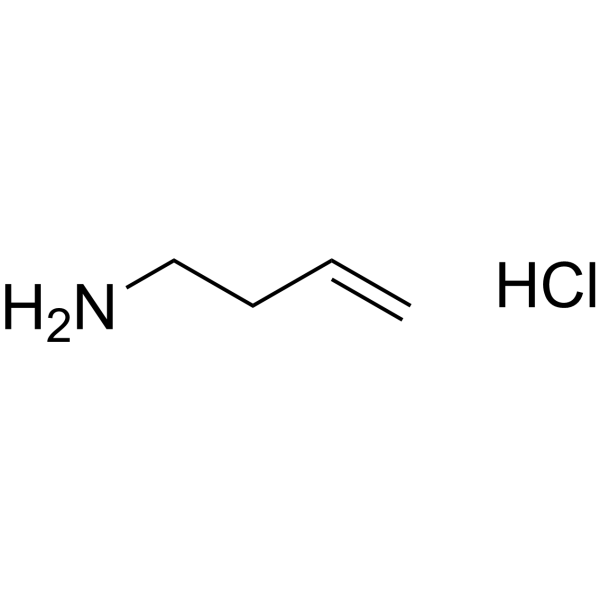
    3-Butenylamine hydrochloride can be used as an intermediate in the production of polymers, adhesives, resins and other chemicals. 3-Butenylamine hydrochloride may cause skin and eye irritation or burns, severe eye damage, and breathing problems .
    3-Butenylamine hydrochloride
  • HY-110184

    Potassium Channel Neurological Disease
    PK-THPP is a potent and brain-penetrant TWIK-related acid-sensitive K + ion channel (K2P9.1 or TASK-3) blocker with IC50s of 35 nM and 300 nM for TASK-3 and TASK-1, respectively. PK-THPP shows no or less activity against other K + channels. PK-THPP is an effective breathing stimulant and can be used for the study of breathing disorders .
    PK-THPP
  • HY-138014

    GABA Receptor Neurological Disease
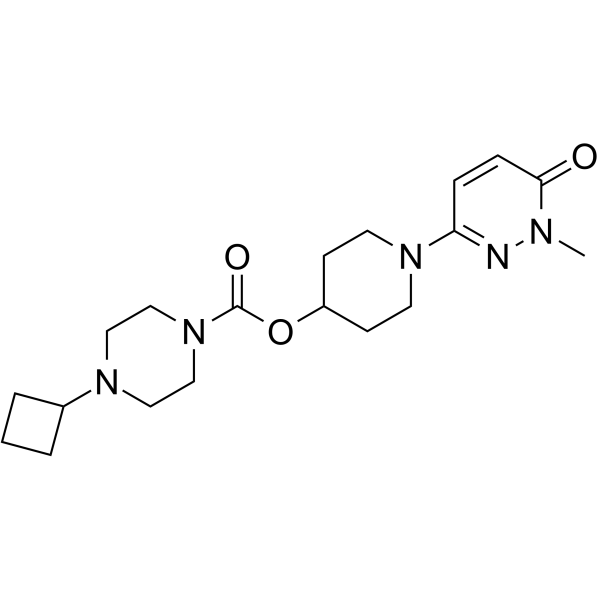
    Cinazepam is a partial GABAA receptor agonist and a benzodiazepine derivative with anxiolytic and sedative properties. Cinazepam can be utilized in research related to sleep disorders .
    Cinazepam
  • HY-W004850

    Endogenous Metabolite Reactive Oxygen Species (ROS) Neurological Disease Metabolic Disease
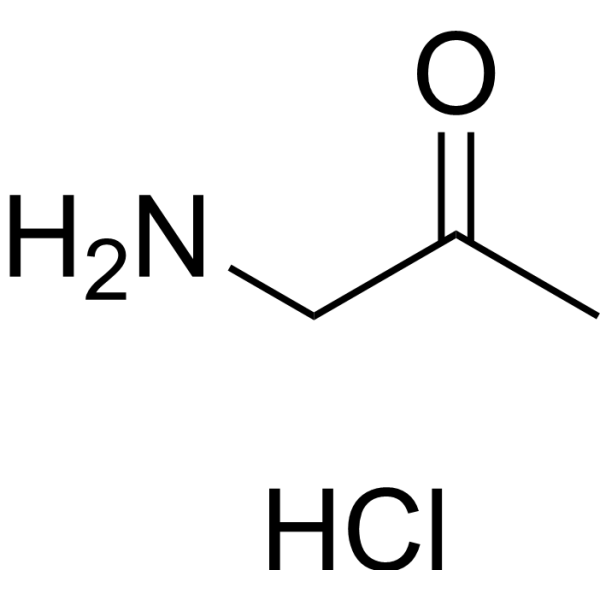
    Aminoacetone hydrochloride is an α-aminoketone and also a catabolite of threonine and glycine. When accumulated under pathological conditions, Aminoacetone hydrochloride participates in oxidative damage and protein dysfunction via the production of reactive oxygen species (ROS) and methylglyoxal, and it is associated with phenotypes such as diabetes, mitochondrial damage and sleep disorders .
    Aminoacetone hydrochloride
  • HY-103520

    GABA Receptor Neurological Disease
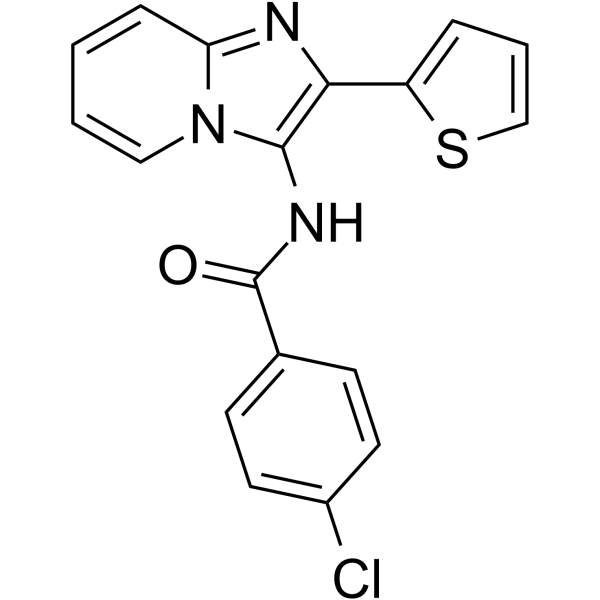
    DS2 is a selective positive allosteric modulator of δ-GABAA receptor. DS2 selectively potentiates GABA responses mediated by α4β3δ receptor. DS2 does not enhance activity at α4β3γ2 and α1β3γ2 receptors. DS2 relieves pain and has the potential for sleep disorders research .
    DS2
  • HY-W010155R

    Indole-3-ethanol (Standard)

    Reference Standards Endogenous Metabolite Apoptosis Caspase Bacterial Infection Cardiovascular Disease Neurological Disease Metabolic Disease Inflammation/Immunology
    Tryptophol (Standard) (Indole-3-ethanol (Standard)) is an analytical standard of Tryptophol (HY-W010155). This product is intended for use in research and analytical applications.Tryptophol is an aromatic alcohol and secondary metabolite produced by microorganisms. Tryptophol induces Apoptosis and cleavage of caspase-8. Tryptophol inhibits Cunninghamella blakesleeana biofilm. Tryptophol has anti-phage infection, biofilm formation regulation, anti-inflammatory, hemolytic, sleep induction, temperature change, seizure susceptibility and immune regulation activities. Tryptophol is used in the research of African trypanosomiasis, sleep disorders, epilepsy.
    Tryptophol (Standard)
  • HY-W750342

    Indole-3-ethanol-d4

    Isotope-Labeled Compounds Endogenous Metabolite Apoptosis Caspase Bacterial Infection Cardiovascular Disease Neurological Disease Metabolic Disease Inflammation/Immunology
    Tryptophol-d4 (Indole-3-ethanol-d4) is the deuterium labeled Tryptophol (HY-W010155). Tryptophol is an aromatic alcohol and secondary metabolite produced by microorganisms. Tryptophol induces apoptosis and cleavage of caspase-8. Tryptophol inhibits Cunninghamella blakesleeana biofilm. Tryptophol has anti-phage infection, biofilm formation regulation, anti-inflammatory, hemolytic, sleep induction, temperature change, seizure susceptibility and immune regulation activities. Tryptophol is used in the research of African trypanosomiasis, sleep disorders, epilepsy .
    Tryptophol-d4
  • HY-P1739

    Melanocortin Receptor Neurological Disease
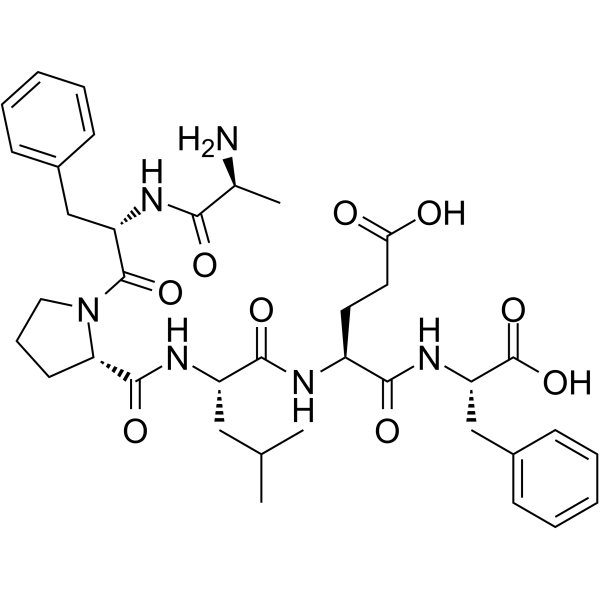
    ACTH (34-39) is an adrenocorticotropic hormone fragment. ACTH (34-39) can be used in the study of stress-related sleep disorders .
    ACTH (34-39)
  • HY-116780A

    Cytochrome P450 Neurological Disease
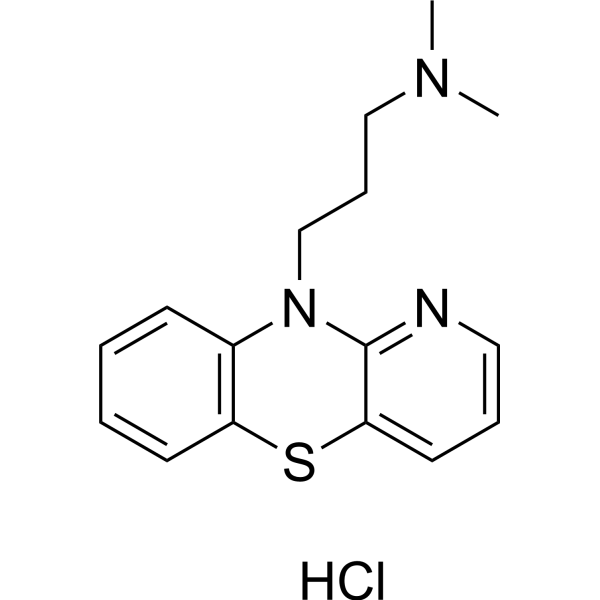
    Prothipendyl hydrochloride is a tricyclic azaphenothiazine neuroleptic agent. Prothipendyl hydrochloride is a substrate of the CYP isozymes CYP1A2, CYP2D6, CYP2C19 and CYP3A4. Prothipendyl hydrochloride has sedating and psychomotorically damping effects. Prothipendyl hydrochloride can be used for psychomotoric agitation, sleep disorder and anxiety research .
    Prothipendyl hydrochloride
  • HY-P1205

    Melanin-concentrating hormone(human, mouse, rat)

    MCHR1 (GPR24) Neurological Disease Metabolic Disease
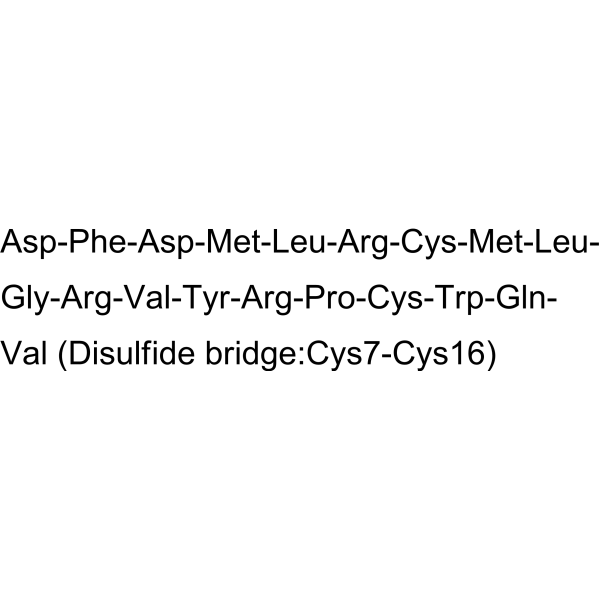
    MCH (human, mouse, rat) is a cyclic neuropeptide mainly synthesized by neurons in the lateral hypothalamic area. MCH (human, mouse, rat) also serves as an endogenous ligand for the melanin-concentrating hormone receptor (MHC receptor), with a binding IC50 of 0.3 nM and 1.5 nM for human MCH-1R and MCH-2R, respectively; its functional EC50 values are 3.9 nM and 88.7 nM. MCH (human, mouse, rat) acts not only as an orexigenic signal but also as a key integrating and regulatory hormone for energy homeostasis and sleep-wake cycles. MCH (human, mouse, rat) can be used in studies related to obesity, sleep disorders, and other associated conditions .
    MCH(human, mouse, rat)
  • HY-B1096R

    Ethamivan (Standard); N,N-Diethylvanillamide (Standard)

    Biochemical Assay Reagents Reference Standards Neurological Disease
    Etamivan (Ethamivan; N,N-Diethylvanillamide) (Standard) is the analytical standard of Etamivan (HY-B1096). This product is intended for research and analytical applications. Etamivan is an orally active respiratory stimulant. Ethamivan regulates breathing patterns by directly stimulating the medullary respiratory center, prioritizing increased breathing depth rather than frequency. Etamivan can be used in the research of barbiturate overdose and chronic obstructive pulmonary disease.
    Etamivan (Standard)
  • HY-106136

    PD-6735; LY-156735

    Melatonin Receptor 5-HT Receptor Neurological Disease
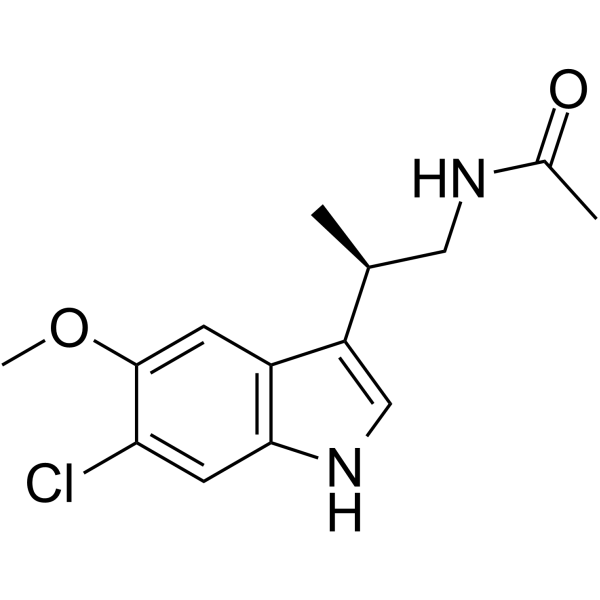
    TIK-301 (PD-6735) is a chlorinated melatonin derivative and a potent, high-affinity and orally active melatonin MT1 and MT2 receptors agonist with Kis of 0.081 nM and 0.042 nM, respectively. TIK-301 is also a 5-HT2B/5-HT2C receptors antagonist with antidepressant action. TIK-301 has the potential for sleep disorders and other circadian rhythm disorders treatment .
    TIK-301
  • HY-W039283

    MCHR1 (GPR24) Neurological Disease Cancer
    MCH-1 antagonist 2 (l-BROMO-2,4-DIFLUORO-5-NITROBEN-ZENE) is a melanin concentrating hormone-1 (MCH1) receptor-selective 4-aryl piperidine. MCH-1 antagonist 2 can be used for the research of depression, anxiety, obesity, urge incontinence, urinary incontinence, major depression, bipolar disorder, agoraphobia, specific phobia, social phobia, obsessive-compulsive disorder, post-traumatic stress disorder, acute stress disorder, urinary frequency, urinary urgency, nocturia, enuresis, bulimia, bulimia nervosa, anorexia nervosa, major depressive disorder, dysthymic disorder, bipolar 1 and 2 disorders, schizoaffective disorder, cognitive disorders with depressed mood, personality disorders, insomnia, hypersomnia, narcolepsy, circadian rhythm sleep disorder, nightmare disorder, sleep terror disorder, sleepwalking disorder, panic disorder, social anxiety disorder, generalized anxiety disorder, overactive bladder .
    MCH-1 antagonist 2
  • HY-105542

    Histamine Receptor Neurological Disease
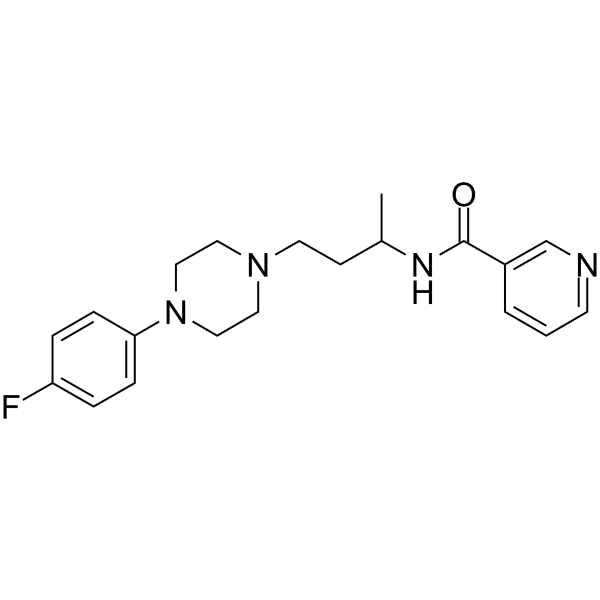
    Niaprazine is a histamine H1-receptor antagonist. Niaprazine has antihistamine and antiserotonin activities and can be used for sleep disorder research .
    Niaprazine
  • HY-109171R

    NT-814 (Standard); BAY3427080 (Standard)

    Reference Standards Neurokinin Receptor Cardiovascular Disease Neurological Disease
    Elinzanetant (Standard) is the analytical standard of Elinzanetant. This product is intended for research and analytical applications. Elizanetant (NT-814) is an orally active, selective NK-1,3 receptor antagonist. Elizanetant can reduce the levels of estradiol and progesterone, and is used in the study of vascular motor symptoms and sleep disorders related to menopause in women .
    Elinzanetant (Standard)
  • HY-128656

    Histamine Receptor Neurological Disease Endocrinology
    LML134 (compound 18b) is an orally active and high selective Histamine 3 receptor (H3R) inverse agonist with Kis of 0.3 nM and 12 nM for hH3R cAMP and hH3R bdg. LML134 penetrates the brain rapidly, leading to high H3R occupancy, and disengages its target with a fast kinetic profile. LML134 has the potential for excessive sleep disorders .
    LML134
  • HY-10232S

    Gaboxadol-d4

    Isotope-Labeled Compounds GABA Receptor Neurological Disease
    THIP-d4 (Gaboxadol-d4) is the deuterium labeled THIP (HY-10232). THIP (Gaboxadol) is a selective extrasynaptic GABAA receptors (eGABARs) agonist (with blood-brain barrier permeability), shows an EC50 value of 13 μM for δ-GABAAR. THIP induces strong tense GABAA-mediated currents in layer 2/3 neurons, but shows on effect on miniature IPSCs. THIP can be used in studies of sleep disorders .
    THIP-d4
  • HY-145554

    Drug Derivative Others
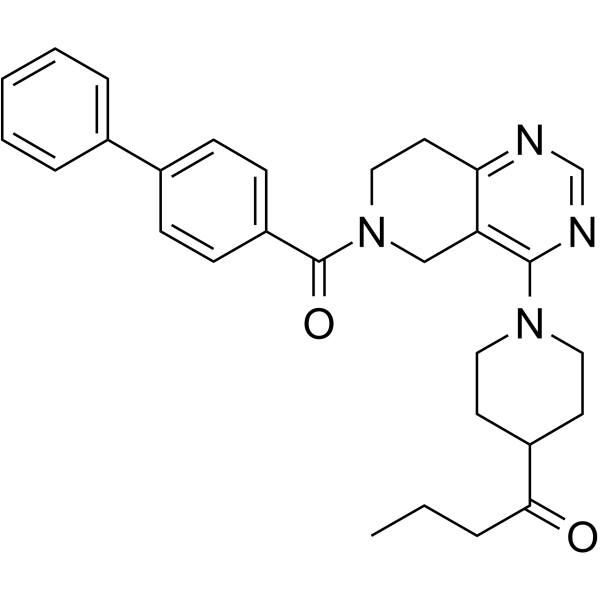
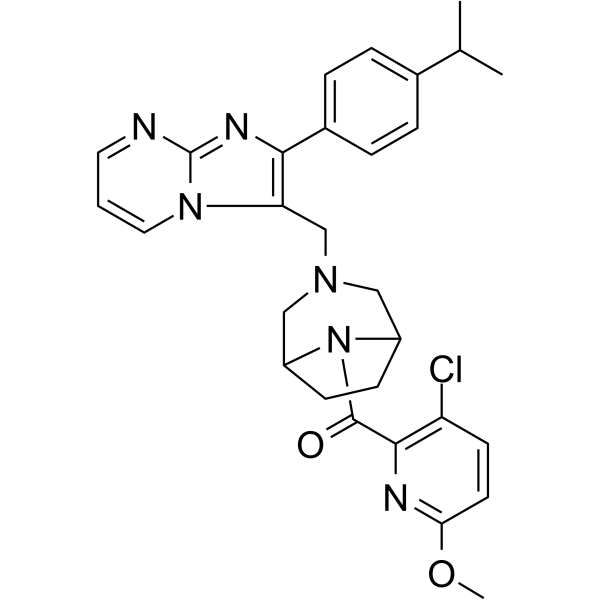
    Bafrekalant is a diazabicyclic substituted imidazo[l,2-a]pyrimidine-derivative. Bafrekalant has the potential for the research of breathing disorders, including sleep-related breathing disorders such as obstructive and central sleep apnea and snoring (extracted from patent WO2018228907A1).
    Bafrekalant
  • HY-101422A

    Potassium Channel Inflammation/Immunology
    GAL-021 sulfate is a potent BKCa-channel blocker. GAL-021 sulfate inhibits KCa1.1 in GH3 cells. GAL-021 sulfate is a novel breathing control modulator that is based on selective modification of the almitrine pharmacophore. GAL-021 sulfate increases minute ventilation in rats and non-human primates .
    GAL-021 sulfate
  • HY-101553

    ORF-8063; WE352

    Drug Derivative Neurological Disease
    Triflubazam is an anti-anxiety agent. Triflubazam can be used for the research of sleep disorder .
    Triflubazam
  • HY-19465

    iGluR Neurological Disease
    Dasolampanel is a kainate receptor antagonist that helps regulate the excitability of the nervous system by blocking kainate receptors and reducing glutamate-mediated excitatory transmission. Dasolampanel can be used in the study of diseases such as overexcitement and sleep disorders .
    Dasolampanel
  • HY-105542R

    Reference Standards Histamine Receptor Neurological Disease
    Niaprazine (Standard) is the analytical standard of Niaprazine. This product is intended for research and analytical applications. Niaprazine is a histamine H1-receptor antagonist. Niaprazine has antihistamine and antiserotonin activities and can be used for sleep disorder research .
    Niaprazine (Standard)
  • HY-116780

    Cytochrome P450 Neurological Disease
    Prothipendyl is a tricyclic azaphenothiazine neuroleptic agent. Prothipendyl is a substrate of the CYP isozymes CYP1A2, CYP2D6, CYP2C19 and CYP3A4. Prothipendyl has sedating and psychomotorically damping effects. Prothipendyl can be used for psychomotoric agitation, sleep disorder and anxiety research .
    Prothipendyl
  • HY-109171S

    NT-814-d3; BAY3427080-d3

    Isotope-Labeled Compounds Neurokinin Receptor Cardiovascular Disease Neurological Disease
    Elinzanetant-d3 (NT-814-d3) is deuterium labeled Elinzanetant. Elizanetant (NT-814) is an orally active, selective NK-1,3 receptor antagonist. Elizanetant can reduce the levels of estradiol and progesterone, and is used in the study of vascular motor symptoms and sleep disorders related to menopause in women .
    Elinzanetant-d3
  • HY-14856

    PD 0200390

    GABA Receptor Neurological Disease
    Atagabalin (PD 0200390) is a selective GABA (gamma-aminobutyric acid) receptor agonist with antianxiety and sedative effects. Atagabalin enhances the activity of the GABA receptor by binding to the α2δ subunit of the GABA receptor, thereby increasing the GABA mediated inhibition. This enhancement results in reduced excitability of neurons, helping to reduce anxiety and improve sleep. Atagabalin can be used to study neuropsychiatric disorders, anxiety or sleep disorders .
    Atagabalin
  • HY-10232R

    Gaboxadol (Standard)

    Reference Standards GABA Receptor Neurological Disease
    THIP (Standard) is the analytical standard of THIP. This product is intended for research and analytical applications. THIP (Gaboxadol) is a selective extrasynaptic GABAA receptors (eGABARs) agonist (with blood-brain barrier permeability), shows an EC50 value of 13 μM for δ-GABAAR. THIP induces strong tense GABAA-mediated currents in layer 2/3 neurons, but shows on effect on miniature IPSCs. THIP can be used in studies of sleep disorders .
    THIP (Standard)
  • HY-N5083R

    Reference Standards PERK NF-κB p38 MAPK AMPK Interleukin Related COX Cardiovascular Disease Neurological Disease Metabolic Disease Inflammation/Immunology
    Saponarin (Standard) is the analytical standard of Saponarin (HY-N5083). This product is intended for research and analytical applications. Saponarin is an orally active flavonoid compound. Saponarin can be isolated from Gypsophila trichotoma. Saponarin inhibits ERK/p38, NF-κB and MAPK phosphorylation and activates AMPK. Saponarin reduces IL-1β and COX-2. Saponarin has antioxidant, anti-inflammatory, hepatoprotective, hypoglycemic and hypotensive effects. Saponarin improves sleep disorders .
    Saponarin (Standard)
  • HY-176717

    5-HT Receptor Neurological Disease
    5-HT1AR agonist 3 (Compound 77) is a 5-HT1A agonist. 5-HT1AR agonist 3 has 5-HT1A receptor agonist activity (EC50: 1.3 nM). 5-HT1AR agonist 3 mainly exerts its effects by activating 5-HT1A receptors and can be used in the study of neuropsychiatric diseases such as anxiety, depression and sleep disorders .
    5-HT1AR agonist 3
  • HY-129146S

    Isotope-Labeled Compounds Potassium Channel Others
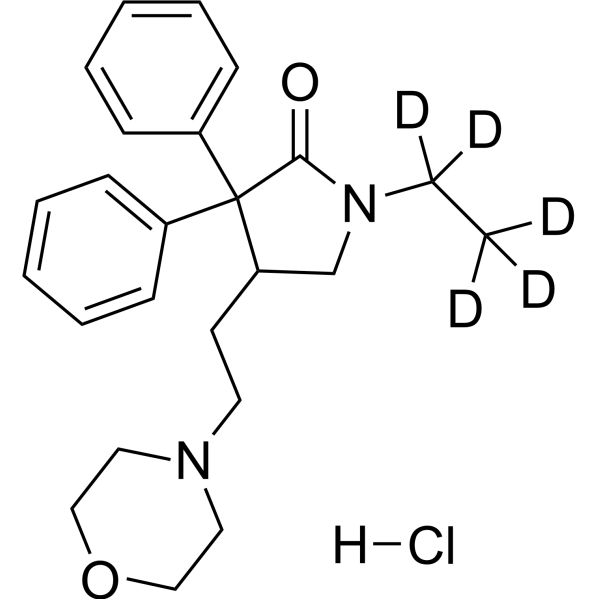
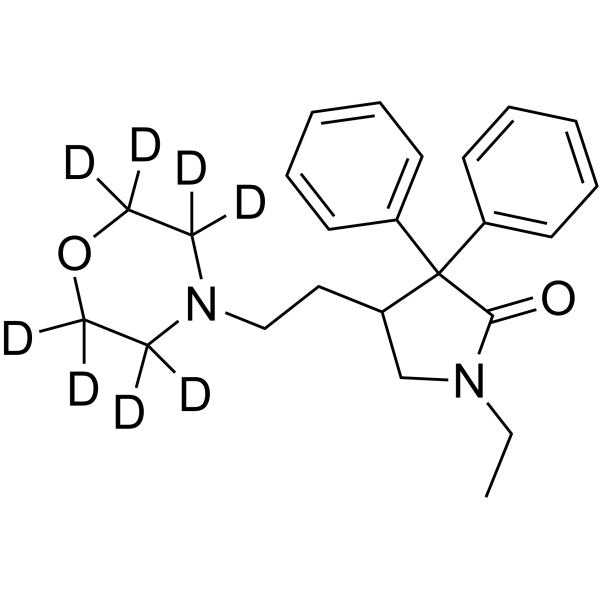
    Doxapram-d5 hydrochloride is deuterium labeled Doxapram hydrochloride. Doxapram hydrochloride is a respiratory stimulant. Doxapram hydrochloride increases breathing rate and depth by acting on the brain's respiratory centers and peripheral chemoreceptors. Doxapram hydrochloride inhibits TASK-1, TASK-3, TASK-1/TASK-3 heterodimeric channel function with EC50s of 410 nM, 37 μM, 9 μM, respectively. Doxapram hydrochloride inhibits the Ca²⁺-activated potassium current (IC50 ≈ 13 μM) and Ca²⁺-independent potassium current (IC50 ≈ 20 μM) in type I cells of the carotid body. Doxapram hydrochloride significantly prolongs the effective refractory period of the atrium and has an anti-arrhythmic effect. Doxapram hydrochloride can be used for the study of respiratory depression such as post-anesthesia respiratory depression, chronic obstructive pulmonary disease and apnea of prematurity.
    Doxapram-d5 hydrochloride
  • HY-B0551S

    Isotope-Labeled Compounds Potassium Channel Neurological Disease
    Doxapram-d8 is deuterated labeled Doxapram (HY-B0551). Doxapram is a respiratory stimulant. Doxapram increases breathing rate and depth by acting on the brain's respiratory centers and peripheral chemoreceptors. Doxapram inhibits TASK-1, TASK-3, TASK-1/TASK-3 heterodimeric channel function with EC50s of 410 nM, 37 μM, 9 μM, respectively. Doxapram inhibits the Ca²⁺-activated potassium current (IC50 ≈ 13 μM) and Ca²⁺-independent potassium current (IC50 ≈ 20 μM) in type I cells of the carotid body. Doxapram significantly prolongs the effective refractory period of the atrium and has an anti-arrhythmic effect. Doxapram can be used for the study of respiratory depression such as post-anesthesia respiratory depression, chronic obstructive pulmonary disease and apnea of prematurity.
    Doxapram-d8
  • HY-B0551AR

    Reference Standards Potassium Channel Neurological Disease
    Doxapram hydrochloride hydrate (Standard) is the analytical standard of Doxapram hydrochloride hydrate (HY-B0551A). This product is intended for research and analytical applications. Doxapram hydrochloride hydrate is a respiratory stimulant. Doxapram hydrochloride hydrate increases breathing rate and depth by acting on the brain's respiratory centers and peripheral chemoreceptors. Doxapram hydrochloride hydrate inhibits TASK-1, TASK-3, TASK-1/TASK-3 heterodimeric channel function with EC50s of 410 nM, 37 μM, 9 μM, respectively. Doxapram hydrochloride hydrate inhibits the Ca²⁺-activated potassium current (IC50 ≈ 13 μM) and Ca²⁺-independent potassium current (IC50 ≈ 20 μM) in type I cells of the carotid body. Doxapram hydrochloride hydrate significantly prolongs the effective refractory period of the atrium and has an anti-arrhythmic effect. Doxapram hydrochloride hydrate can be used for the study of respiratory depression such as post-anesthesia respiratory depression, chronic obstructive pulmonary disease and apnea of prematurity.
    Doxapram hydrochloride hydrate (Standard)
  • HY-101422R

    Potassium Channel Reference Standards Inflammation/Immunology
    GAL-021 (Standard) is the analytical standard of GAL-021 (HY-101422). This product is intended for research and analytical applications. GAL-021 is a potent BKCa-channel blocker. GAL-021 inhibits KCa1.1 in GH3 cells. GAL-021 is a novel breathing control modulator that is based on selective modification of the almitrine pharmacophore. GAL-021 increases minute ventilation in rats and non-human primates .
    GAL-021 (Standard)

Inquiry Online

Your information is safe with us. * Required Fields.

Salutation


Country or Region *

Applicant Name *


Organization Name *

Department *


Email Address *


Product Name *

Cat. No.


Requested quantity *

Phone Number *


Remarks

Inquiry Online

Inquiry Information

Product Name:
Cat. No.:
Quantity:
MCE Japan Authorized Agent: